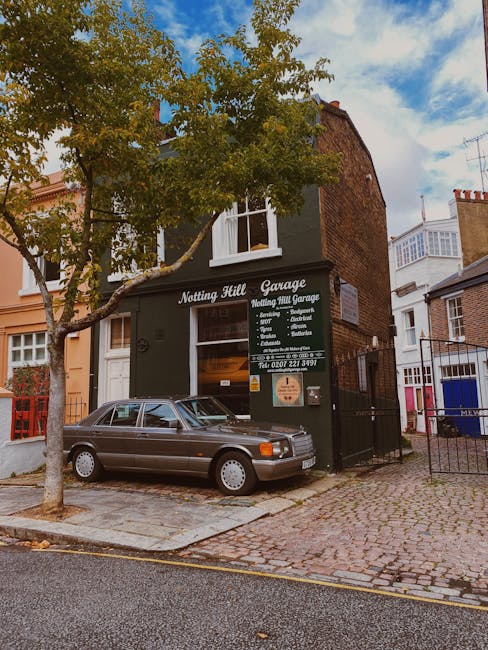
RBKC rug disposal rules: fines, pickups and legal steps
If you live in Kensington and Chelsea and need to get rid of an old rug, it can feel deceptively simple: roll it up, take it outside, and hope it disappears. But with RBKC rug disposal rules: fines, pickups and legal steps, the details matter. Put a rug out at the wrong time, dump it with the wrong waste, or leave it where it blocks the pavement, and you may be dealing with a warning, a missed collection, or in the worst case a fine.
This guide breaks the process down in plain English. You will learn what counts as proper disposal, how council-style pickup systems usually work, what legal steps to take if the rug is too large or contaminated, and how to avoid the mistakes that cause hassle. We will also cover practical alternatives, including reuse, cleaning, and responsible removal, because truth be told, a rug often has more life left in it than people think.
Table of Contents
- Why RBKC rug disposal rules matter
- How the disposal process works
- Key benefits and practical advantages
- Who this is for and when it makes sense
- Step-by-step guidance
- Expert tips for better results
- Common mistakes to avoid
- Tools, resources and recommendations
- Law, compliance, standards or best practice
- Options, methods, or comparison table
- Case study or real-world example
- Practical checklist
- Conclusion
- Frequently asked questions
Why RBKC rug disposal rules matter
Rugs are awkward waste items. They are bulky, often dirty, and sometimes made of mixed materials, which means they do not always fit neatly into standard household waste. In a borough like RBKC, where streets are busy and pavement space is precious, leaving a rug outside at the wrong time can quickly become a nuisance. It can obstruct pedestrians, attract complaints from neighbours, and create a potential enforcement issue.
There is another reason this matters: many people assume a rug is "just household rubbish". It is not always treated that simply. A large rug may need to be bundled, bagged, booked as a bulky item, or taken to an approved disposal route. If it is contaminated with mould, pet waste, or heavy staining, it may need a more careful approach. If you are unsure, it is better to pause and check than to guess. A five-minute check can save a very annoying letter later on.
For landlords, tenants, managing agents, and small businesses, the stakes are even higher. One careless disposal can damage common areas, upset residents, or create a compliance headache. If you are replacing rugs as part of a wider property refresh, it can also make sense to coordinate with services like professional rug cleaning or even carpet cleaning before deciding whether the item truly needs to be thrown away.
Expert summary: The safest approach is simple: identify whether the rug can be reused, cleaned, donated, booked for collection, or legally taken to disposal. The order matters, and so does the timing.
How RBKC rug disposal rules: fines, pickups and legal steps works
Although exact collection arrangements can change, the practical structure is usually the same. First, decide whether the rug is still usable. If it is, that is the best outcome. If it is not, move on to disposal. The basic question is not "How do I get rid of this quickly?" but "How do I get rid of this correctly?"
In most borough systems, bulky textiles like rugs may be handled in one of three ways:
- standard household waste only if the item is small enough and accepted in the local scheme;
- a booked bulky waste or special collection;
- self-delivery to a permitted reuse or disposal facility, if you are able to transport it safely and legally.
That sounds straightforward, but the fine print is where people get caught out. A rug left beside overflowing bins may be treated as fly-tipping if it looks abandoned. A rug placed out on the wrong day may be viewed as obstructive refuse. And a rug dumped in a communal hallway or on a shared pavement can trigger complaints from neighbours almost immediately.
If the rug has been in a room with pets, smoke, damp or water damage, the issue may not be disposal alone. You might be dealing with odour, contamination, or a broader clean-up. In those cases, a service such as pet stain and odour removal or stain removal can sometimes make the rug salvageable. No point binning a decent wool rug if a proper clean would do the job, right?
Legal steps generally follow a sensible sequence:
- Confirm whether the rug is reusable or repairable.
- Check local collection rules for bulky or textile items.
- Prepare the rug safely for removal.
- Use an approved pickup, transfer, or disposal route.
- Keep the surrounding area tidy until the item is collected.
That last point gets overlooked more than you would think. A neatly placed item is one thing; a loose rug on a wet pavement is another entirely.
Key benefits and practical advantages
Following the correct disposal route is not just about avoiding trouble. It also makes life easier. In busy parts of west London, the benefits are practical and immediate.
- Lower risk of fines or complaints: Correct placement and booking reduces the chance of enforcement action or neighbour disputes.
- Cleaner communal spaces: Hallways, front steps, and shared bin areas stay clear.
- Better sustainability: Reuse, repair, or cleaning comes before disposal, which is usually the smarter environmental choice.
- Less physical strain: Rugs can be heavy, dusty, and oddly awkward to carry. A planned pickup is kinder on your back, honestly.
- Better property presentation: This matters for landlords, agents, and anyone trying to keep a flat looking cared for.
There is also a financial angle. Paying for the right collection once is usually cheaper than dealing with a penalty, emergency clearance, or a second trip because the first disposal was rejected. For some households, a clean-and-keep decision is cheaper still. If a rug has flattened pile, surface grime, or a smell that is not too far gone, a professional service like steam carpet cleaning or upholstery cleaning can be worth considering before you write it off.
Who this is for and when it makes sense
This guidance is useful for more people than you might expect. It is not just for homeowners with one old rug in a hallway cupboard.
- Tenants who need to leave a property tidy at the end of a tenancy.
- Landlords and letting agents managing end-of-tenancy clearances.
- Homeowners replacing a worn rug after redecorating or moving furniture.
- Small businesses disposing of reception, office, or commercial rugs.
- Householders with pets or allergies who need to remove contaminated textiles carefully.
It also makes sense if the rug is part of a larger room refresh. For example, someone replacing a stained sitting-room rug may also be cleaning the sofa, curtains, or hallway carpet at the same time. That is where it helps to plan the job as a whole rather than tackling one item in isolation. A room can feel oddly half-finished if the rug is gone but the rest of the fabric still looks tired.
If you are dealing with multiple soft furnishings, it may be worth bundling the work with sofa cleaning, curtain cleaning, or mattress cleaning. That way you decide what to keep, what to clean, and what to dispose of with a clearer head.
Step-by-step guidance
Here is a sensible, low-stress way to handle rug disposal in RBKC-style conditions.
1. Check whether the rug can be saved
Look at the rug in daylight if possible. Can you see surface soil only, or is there deep damage? Are the edges intact? Is the odour just from regular use, or is there damp, mould, or pet contamination? If the rug is a decent quality item, cleaning may be more sensible than disposal.
2. Separate the rug from general household waste
Do not leave it loose by the bins and hope for the best. Fold or roll it neatly. If it sheds fibres or has dust, seal it where practical. This reduces mess and makes collection simpler.
3. Confirm the permitted route
Use the correct collection method for the size and condition of the rug. Some items are better handled through a bulky pickup, others through a waste transfer route, and some through reuse. If the rug is simply in the way, that does not make it suitable for the pavement. A bit of patience here saves a lot of faff.
4. Keep the item on private property until collection
Where possible, store the rug inside your property or on clearly designated private space until the scheduled pickup. This is a small thing, but it reduces the risk of complaints and avoids the appearance of illegal dumping.
5. Prepare for safe removal
If the rug is heavy, ask for help. Rugs can be deceptive. They look manageable, then suddenly they are awkward on the stairs and catch the bannister. If it is large, carry it with a second person or arrange a collection.
6. Document what you did
If you are a landlord, property manager, or commercial occupier, keep a note of the collection method, date, and any supporting paperwork. It is not glamorous, but it is useful if a dispute comes up later.
7. Restore the room after removal
Once the rug is gone, vacuum the floor, check the underlay area, and look for dust, grit, or staining. That final clean-up makes the whole job feel finished.
Expert tips for better results
Small decisions make a surprisingly big difference. A few practical habits can save you time, money, and irritation.
- Check the rug material first. Wool, synthetic blends, jute, and natural-fibre rugs behave differently. Some clean well; some do not like aggressive treatment.
- Do not guess if it is contaminated. Damp, mould, or pet waste changes the best disposal route. In those cases, cleaning or specialist handling may be safer.
- Photograph the rug before disposal. Handy for landlords, insurance records, or simple proof if someone asks what happened.
- Consider cleaning before disposal. A surprisingly grubby rug can often be revived with proper treatment, especially if the damage is cosmetic rather than structural.
- Time the removal properly. Early collections, lift access, and fewer people in the hallway make the job easier. Tuesday morning is usually kinder than Friday evening. You know the sort of thing.
Also, do not underestimate smell. A rug can look fine in the afternoon and seem very different by evening when the heating comes on. If there is a lingering odour, it is worth treating the root cause rather than covering it up. That is where a specialist service such as rug cleaning may extend the life of the item and reduce waste.
Common mistakes to avoid
Most rug disposal problems come from a few repeat mistakes. Avoid these and you are ahead of the game.
- Leaving the rug on the street too early: This can create a nuisance and may count against you if the collection time has not arrived.
- Mixing the rug with general rubbish: Bulky items often need separate handling.
- Ignoring contamination: A wet, mouldy, or pest-affected rug should not be treated like dry textile waste.
- Assuming a neighbour will move it: They probably will not, and they should not have to.
- Trying to force it into the wrong bin area: Overfilled bin stores create tension quickly.
- Skipping the clean-first question: Some people dispose too soon and later regret it.
There is a particularly common one in flats: putting the rug in a shared hallway "just for a minute". That minute can turn into a complaint, especially if the space is narrow or the rug blocks access. To be fair, a hallway is not a waiting room for old flooring.
Tools, resources and recommendations
You do not need a huge toolkit, but a few basic items help keep everything under control.
- Measuring tape: Useful for checking if the rug can be moved, rolled, or carried safely.
- Heavy-duty bags or wrap: Handy for shedding or dusty rugs.
- Vacuum cleaner: Helps remove loose dirt before handling.
- Gloves: A sensible precaution if the rug is old, dusty, or contaminated.
- Camera on your phone: Good for recording condition, especially for landlords and agents.
If you are weighing cleaning against disposal, it helps to look at the whole room. For example, if the rug is the only tired textile but the rest of the furnishings still look decent, cleaning the rug and refreshing other items such as carpet cleaning or steam carpet cleaning may produce a much better result than clearing everything out. And if you are making wider home-improvement decisions, you may also want to review practical business information such as pricing and quotes, payment and security, and the company's recycling and sustainability approach.
Law, compliance, standards or best practice
For readers who want the legal side in plain English: the general principle is that waste must be stored, presented, and collected responsibly. That means not obstructing public space, not abandoning waste, and not presenting items in a way that creates a nuisance or suggests fly-tipping. A rug left in the wrong place can move from being "just an old rug" to being a compliance issue very quickly.
Best practice in RBKC-style urban housing usually means keeping items on private property until pickup, booking the right collection method, and ensuring the item is handled in a way that does not create risk to neighbours, pedestrians, or cleaners. If a rug is contaminated, treat it carefully and follow appropriate waste handling steps rather than improvising.
For landlords and managing agents, there is also a record-keeping angle. Keep evidence of when items were removed, who arranged the collection, and whether there was any specialist treatment. It is dull admin, yes, but useful admin. If a complaint or damage claim appears later, documentation helps.
Best practice also includes reuse where possible. If a rug can be cleaned, repaired, or donated, that is often preferable to disposal. It aligns with broader waste reduction and keeps perfectly usable textiles out of the bin stream. That is the sort of common-sense approach that saves money and feels better, too.
Options, methods, or comparison table
Here is a simple comparison of the main ways people handle rug disposal in RBKC.
| Option | Best for | Pros | Watch-outs |
|---|---|---|---|
| Keep and clean | Rugs with surface dirt, light odour, or cosmetic wear | Cheapest in the long run; less waste; keeps a good rug in use | Not suitable for deep damage or severe contamination |
| Professional cleaning | Valuable rugs, stubborn stains, pet odours, or delicate fibres | Often restores appearance; more reliable than DIY on tricky materials | May not rescue structurally damaged rugs |
| Bulky waste collection | Large rugs that cannot go out with normal waste | Convenient; reduces handling stress | Must follow collection rules and timing |
| Self-delivery to disposal route | People with transport and time | Flexible; useful for multiple items | Requires safe loading, correct disposal point, and effort |
| Reuse or donation | Clean, usable rugs | Environmentally better; may help another household | Must be in good enough condition to accept |
There is no single best method for everyone. A decent rug in need of a refresh is very different from a water-damaged rug with a musty smell. Pick the route that fits the condition of the item, not the route that just feels quickest at 8 p.m. on a busy weekday.
Case study or real-world example
Imagine a flat in Notting Hill with one large living-room rug. It has seen years of foot traffic, a few coffee marks, and one unfortunate pet accident. The residents want the room to feel lighter before new furniture arrives. Their first instinct is to roll the rug out and leave it by the communal bins.
That would have been the easy way. Also the wrong way.
Instead, they check whether the rug can be salvaged. The answer is "possibly". The surface is worn, but the pile is not destroyed. They arrange a proper clean first, because the odour is mild rather than permanent. After treatment, the rug looks noticeably better, the smell is gone, and the room feels calm again. Only then do they decide that the underlay needs to go, so they book the correct collection route and keep it inside until pickup.
The result? No blocked pavement, no awkward neighbour complaints, and no last-minute scramble. Just a tidy handover. It is not dramatic, but it is exactly how this should work. Quietly, correctly, done.
In another common scenario, a landlord clears a one-bedroom flat after a tenancy and finds a rug that is too far gone. This time disposal is the right call. They photograph it, move it safely, and arrange removal without placing it in shared space. Again, simple process, less stress.
Practical checklist
Use this before you dispose of a rug in RBKC:
- Have I checked whether the rug can be cleaned or repaired?
- Is the rug dry, or does it show signs of damp, mould, or contamination?
- Do I know the correct collection route for this item?
- Have I kept the rug off the street and out of shared hallways until collection?
- Is the rug rolled or wrapped safely for handling?
- Do I need help lifting it?
- Have I taken photos for my records if needed?
- Have I considered whether the rest of the room could also benefit from cleaning?
- Do I have the pickup time or disposal plan confirmed?
- Will this method avoid nuisance, obstruction, or waste problems?
If you can tick all of those off, you are in good shape. If not, pause and sort the gaps before moving forward. It is usually easier to do it properly once than to fix it twice.
Conclusion
RBKC rug disposal rules are not complicated once you break them down, but they do reward a careful approach. Check whether the rug can be cleaned or reused, choose the correct pickup or disposal method, keep it off public space until collection, and avoid the common mistakes that lead to fines or complaints. That is the core of it.
For many households, the best outcome is not disposal at all. It is a well-timed clean, a sensible decision about what to keep, and a tidy plan for anything that truly needs to go. The more you think it through at the start, the less drama you will have at the end. And honestly, that is a pretty good trade.
Get a free quote today and see how much you can save.
Frequently Asked Questions
Can I leave a rug beside the bins in RBKC for collection?
Not usually as a casual drop-off. Rugs should be presented only in the approved way and at the correct time. Leaving one beside the bins early can cause complaints and may be treated as improper waste presentation.
What happens if I put a rug out on the wrong day?
The item may be missed, left exposed to weather, or treated as a nuisance. If it is blocking access or looks abandoned, that can create an enforcement problem. It is much safer to stick to the correct collection timing.
Could I get fined for dumping a rug in the street?
Yes, if the rug is treated as fly-tipping or unlawful dumping. The risk rises if it is left in a public place, near a communal bin store, or where it obstructs foot traffic. The safest move is to use the proper collection route.
Should I clean a rug before I dispose of it?
If the rug is still usable, cleaning first is often worth considering. A lot of rugs are discarded too early. If the issue is surface dirt, odour, or light staining, a professional clean may save the item.
What if the rug smells bad or has pet damage?
Start by assessing whether the problem is superficial or deep. Mild odour and stains may respond to specialist treatment. Severe contamination, however, may make disposal the more sensible option. Pet-related problems are especially worth handling carefully.
Can landlords throw rugs away after a tenancy ends?
Yes, if the rug belongs to the property and disposal is appropriate, but they should follow the correct method and keep records. If the rug may still be cleaned or reused, it is worth considering that first.
Is a bulky collection better than taking the rug myself?
It depends on the size of the rug, transport access, and how much time you have. For large or awkward rugs, a booked collection is often easier and safer. If you are transporting it yourself, make sure the route and disposal point are suitable.
What if the rug is mouldy or wet?
Handle it cautiously. A mouldy or wet rug should not be treated like ordinary dry waste. It may need wrapping, careful removal, or specialist handling. If the source of damp is unresolved, fix that too or the problem may come back.
Do I need proof that the rug was collected?
It is a good idea, especially for landlords, managing agents, or anyone resolving a complaint. A photo, receipt, booking reference, or note of the collection time can be useful later.
Can a rug be recycled instead of thrown away?
Sometimes, but it depends on material, condition, and local handling options. Clean, usable rugs are more likely to be reused or passed on. Damaged or contaminated rugs usually need another route. Recycling is always worth exploring where practical.
What is the simplest legal step if I am unsure what to do?
Keep the rug on private property, do not leave it in a shared or public area, and confirm the correct disposal route before moving it. That one step alone prevents a lot of unnecessary problems.
Where does professional rug cleaning fit into all this?
It fits right at the decision stage. If the rug has value, sentimental importance, or only moderate wear, cleaning can be the difference between keeping it and losing it. A proper clean may also make disposal unnecessary altogether.
And if you are also dealing with the rest of the room, it can make sense to look at related services such as curtain cleaning, sofa cleaning, or upholstery cleaning so everything feels in step rather than half-done.
One last thought: a bit of care now usually saves a lot of trouble later. And that, in the middle of a busy London week, is no small thing.