Sofa Cleaning in Your Home: A Practical, SEO-Friendly Approach to Cleaner, Fresher Furniture
Sofa cleaning in your home is more than a quick tidy-up; it is an essential part of keeping your living space fresh, comfortable, and healthy. Sofas collect dust, crumbs, pet hair, skin oils, odors, and everyday stains, which can slowly affect both appearance and indoor air quality. Whether you have a fabric sectional, a leather couch, or a cozy loveseat, regular sofa cleaning helps preserve the look, feel, and lifespan of your furniture.
Many homeowners search for sofa cleaning in their area when they notice dull fabric, stubborn spots, or unpleasant smells. The good news is that a well-planned cleaning routine can make a dramatic difference. With the right methods, products, and frequency, sofa cleaning can restore softness, remove buildup, and refresh your entire room.
In this article, we will explore practical techniques, cleaning methods, stain removal tips, and maintenance habits that support long-term furniture care. You will also learn when professional sofa cleaning makes sense and how to protect your upholstery between cleanings.
Why Sofa Cleaning Matters for Every Home
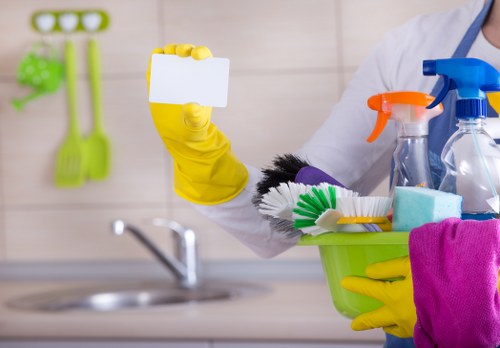
Regular sofa cleaning is important for far more than visual appeal. Sofas are high-touch surfaces that absorb body oils, dust, pollen, and other debris every day. Over time, that buildup can settle deep into fibers and create a worn, tired look. A routine cleaning schedule helps keep upholstery looking brighter and feeling more comfortable.
For families with children or pets, sofa cleaning becomes even more important. Food spills, pet dander, muddy paws, and sticky fingerprints can all shorten the life of upholstery if they are not addressed quickly. Consistent cleaning helps prevent stains from becoming permanent and makes future maintenance much easier.
There is also a health benefit. Upholstery can trap allergens and fine particles that circulate through your home. By investing time in sofa cleaning, you reduce dust and irritants, creating a cleaner and more pleasant indoor environment.
Understanding Different Sofa Materials
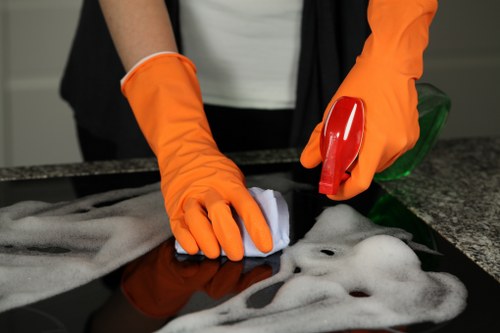
Not all upholstery is cleaned the same way. One of the most important parts of effective sofa cleaning is knowing what material you are working with. Using the wrong method can damage fabric, discolor leather, or leave water marks that are difficult to remove.
Common sofa materials include:
- Cotton: Soft and comfortable, but prone to absorb stains quickly.
- Microfiber: Durable and popular for busy homes, though it can trap oils.
- Linen: Elegant and breathable, but delicate and sensitive to moisture.
- Leather: Stylish and long-lasting, requiring special conditioning and gentle cleaning.
- Velvet: Luxurious in appearance, but needs careful handling to protect the pile.
Before starting any sofa cleaning routine, check the manufacturer’s care label. Common codes such as W, S, WS, or X tell you whether water-based cleaners, solvent-based cleaners, or vacuum-only care is recommended. This step can prevent expensive mistakes and help you choose the safest cleaning approach.
Step-by-Step Sofa Cleaning Routine

A dependable sofa cleaning routine does not need to be complicated. In fact, simple steps performed consistently often produce the best results. Begin by removing cushions, if possible, and vacuuming the entire surface using an upholstery attachment. Pay attention to seams, crevices, and under the cushions where dirt often collects.
After vacuuming, spot-test any cleaning solution on a hidden area. This is a crucial part of sofa cleaning because even mild solutions can affect dyes or finishes. Once the test area dries without issue, treat stains and then clean the full surface as needed.
Finish by allowing the sofa to air-dry completely. Open windows or use a fan to improve airflow. Good drying practices matter because excess moisture can lead to odors, stiffness, or even mildew in some fabrics.
Recommended cleaning sequence
- Vacuum loose dirt and debris.
- Identify the fabric type and cleaning code.
- Spot-test your chosen cleaner.
- Treat visible stains carefully.
- Clean the upholstery in sections.
- Allow full drying before use.
How to Remove Common Sofa Stains
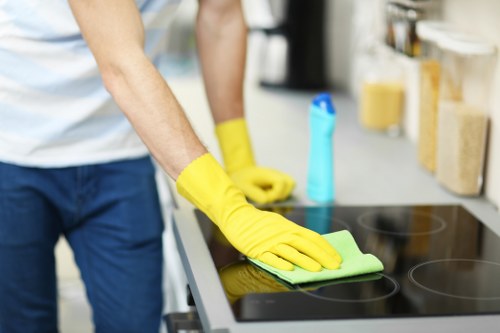
Stain removal is one of the main reasons people look for sofa cleaning solutions. Spills happen quickly, and the sooner you respond, the better your results will usually be. The key is to blot rather than rub. Rubbing can push the stain deeper into the fibers and spread it over a larger area.
Here are some common stains and how to approach them:
- Food and drink spills: Blot with a clean cloth, then use a fabric-safe cleaner suitable for the material.
- Grease or oil: Sprinkle a small amount of absorbent powder if approved for your upholstery, then vacuum and treat gently.
- Pet accidents: Remove residue promptly and use an odor-neutralizing upholstery cleaner.
- Ink marks: Use caution; ink often requires specialist treatment or professional sofa cleaning.
- Mud: Let it dry first, then vacuum and clean the remaining mark carefully.
For deeper or older stains, repeated light treatment is often safer than aggressive scrubbing. A measured approach helps protect the fabric while improving the result. This is one reason professional sofa cleaning can be helpful for difficult marks that do not respond to home methods.
Fabric Sofa Cleaning Tips That Actually Work

Fabric upholstery can be especially rewarding to clean because the difference before and after is often dramatic. However, fabric also tends to absorb dirt faster than other materials. The best sofa cleaning methods for fabric combine regular vacuuming, spot treatment, and periodic deep cleaning.
Steam cleaning is sometimes used for fabric sofa cleaning, but it should only be done if the care label allows it and the fabric is compatible. Too much heat or moisture can damage delicate fibers. When in doubt, use minimal water and a cleaner designed specifically for upholstery.
Helpful fabric cleaning habits include:
- Vacuum weekly to remove dust and crumbs.
- Address stains immediately for better results.
- Rotate and fluff cushions to reduce uneven wear.
- Use fabric protectors when appropriate for the material.
- Keep pets off freshly cleaned upholstery until it is dry.
For households with heavy use, sofa cleaning for fabric may need to happen more often than expected. Light maintenance every week and deeper cleaning every few months can keep the upholstery looking fresh year-round.
Leather Sofa Cleaning and Care
Leather requires a different approach from fabric. While it is durable, stylish, and relatively easy to wipe down, leather can crack or dry out if it is cleaned too harshly. Proper sofa cleaning for leather focuses on gentle dust removal, careful wiping, and conditioning.
Start by dusting the surface with a dry microfiber cloth. Then use a cleaner that is specifically labeled for leather upholstery. Avoid harsh soaps, bleach, ammonia, and excess water, all of which can strip natural oils from the material. After cleaning, a leather conditioner can help maintain softness and flexibility.
Leather sofa cleaning is especially useful in homes where the furniture gets regular use. Oils from skin contact can accumulate on armrests and headrests, making those areas appear darker over time. Gentle, routine care prevents buildup and helps preserve the refined look of the leather.
What to avoid on leather
- Soaking the surface with water
- Using abrasive pads or brushes
- Applying all-purpose cleaners without checking compatibility
- Leaving spills untreated for long periods
DIY Sofa Cleaning vs Professional Service
Many homeowners like handling basic sofa cleaning themselves, and for routine maintenance, that is often a smart choice. Vacuuming, light spot cleaning, and quick spill response can all be managed at home with a little care. DIY sofa cleaning is also budget-friendly and convenient for minor issues.
That said, there are times when professional sofa cleaning may be the better option. Deep-set stains, strong odors, delicate upholstery, and large sectional pieces can be difficult to handle without specialized equipment. Professional services often use extraction tools, targeted stain treatments, and fabric-safe techniques that go beyond typical home cleaning methods.
Consider professional sofa cleaning if:
- The sofa has persistent odors.
- Stains have been sitting for weeks or months.
- The upholstery is delicate or expensive.
- You have allergies and need a deeper refresh.
- The sofa has not been cleaned in a long time.
Choosing between DIY and professional sofa cleaning often comes down to the condition of the upholstery and the time available. A mix of both can be ideal: regular home care plus occasional expert cleaning.
How Often Should You Clean a Sofa?
The right sofa cleaning schedule depends on how much your furniture is used. In a busy household, light cleaning may be needed every week, while deep sofa cleaning might be done every three to six months. In a quieter home, the timeline may be more relaxed.
A practical schedule might look like this:
- Weekly: Vacuum, fluff cushions, and remove surface debris.
- Monthly: Spot-clean visible marks and check for odors.
- Every 3–6 months: Perform deeper sofa cleaning based on fabric type and usage.
- As needed: Treat spills immediately and seek professional help for major stains.
Homes with pets, children, or frequent guests usually need more frequent sofa cleaning. If the couch is a central gathering point, it will naturally collect more dust and wear. Staying ahead of buildup is easier and more effective than waiting until the upholstery looks obviously dirty.
Smart Sofa Cleaning Products and Tools
The right tools can make sofa cleaning faster, safer, and more effective. You do not need a large collection of products, but it helps to have a few essentials on hand. Microfiber cloths, a vacuum with upholstery attachments, soft brushes, and fabric-appropriate cleaners are among the most useful items.
Useful sofa cleaning supplies include:
- Microfiber cloths for blotting and wiping
- Upholstery vacuum attachment for dust removal
- Soft-bristle brush for loosening debris
- Fabric-safe or leather-safe cleaner
- Spray bottle for controlled application
- White towels for drying and spotting stains
It is best to avoid overly strong chemicals unless they are explicitly recommended for your upholstery type. In sofa cleaning, gentler products used correctly often outperform harsh solutions that can damage materials. The goal is to clean thoroughly while keeping the fabric or leather in good condition.
Odor Removal and Freshening Tips
Even when a sofa looks clean, it may still carry odors from food, pets, smoke, or everyday use. Odor control is a major part of sofa cleaning because freshness is just as important as appearance. The first step is identifying the source of the smell, then cleaning that area properly.
Vacuuming helps remove odor-trapping dust and debris. For fabric sofas, some homeowners use upholstery-safe deodorizing products to neutralize smells rather than mask them. For leather, it is better to use products designed specifically for leather care, since many odor removers are too harsh for the surface.
To help keep a sofa smelling fresh:
- Air out the room regularly.
- Vacuum all cushions and seams weekly.
- Clean spills before they soak in.
- Wash removable cushion covers when allowed.
- Use odor-neutralizing methods suited to the fabric.
If odors persist after repeated cleaning, deeper sofa cleaning may be needed. Smells can linger inside padding and hidden layers, especially after spills or pet accidents, so surface cleaning alone may not be enough.
Preventing Damage During Sofa Cleaning
Good sofa cleaning is as much about prevention as it is about removal. The wrong technique can lead to water rings, faded patches, rough texture, or lingering moisture. Protecting upholstery means working carefully, using the right amount of product, and avoiding over-wetting the surface.
Always work in small sections and blot gently. Never saturate a cushion or scrub aggressively, especially on delicate materials. If the sofa has removable covers, follow the washing instructions closely so the fabric does not shrink or lose shape. This cautious approach keeps sofa cleaning effective and safe.
One smart habit is to keep food and drinks on side tables rather than directly on the sofa. This small change can reduce the need for emergency sofa cleaning and help maintain the upholstery’s appearance for longer. Another helpful step is using throws or slipcovers in homes with very high traffic.
Common mistakes to avoid
- Skipping the care label
- Using too much water
- Rubbing stains aggressively
- Mixing cleaning chemicals
- Using the sofa before it is fully dry
When Deep Cleaning Makes the Biggest Difference
Deep sofa cleaning is especially valuable when regular care is no longer enough to refresh the upholstery. Over time, microscopic dirt, oils, and allergens settle below the surface. A deeper clean can revive the look of a sofa and make the room feel much more inviting.
Signs that your sofa may need deep cleaning include visible dullness, recurring odors, flattened cushions, and stains that keep reappearing after spot treatment. In these cases, a thorough sofa cleaning routine can improve both comfort and appearance.
Deep cleaning is often best performed before major holidays, after seasonal changes, or whenever the furniture has seen unusually heavy use. If you have recently hosted guests, welcomed a pet, or completed home renovations, sofa cleaning can help remove the extra dust and debris left behind.
Extra care for high-traffic homes
In homes with children, pets, or regular entertaining, it is wise to treat sofa cleaning as part of the home maintenance routine rather than an occasional chore. Small, frequent efforts can prevent larger problems later and reduce the need for intensive restoration.
How Sofa Cleaning Supports a Better Living Space
A clean sofa does more than improve one piece of furniture. It changes how the entire room feels. Fresh upholstery can make a living area look brighter, more organized, and more welcoming. Sofa cleaning also supports the broader goal of maintaining a neat and comfortable home environment.
People often underestimate how much their furniture affects first impressions. When guests enter a room, the sofa is usually one of the first things they notice. Keeping it in good condition reflects care and attention to detail. That is one reason sofa cleaning is worth the effort, even when the stains are not obvious.
Benefits of regular sofa cleaning include:
- Improved appearance
- Reduced odors
- Better indoor freshness
- Longer upholstery life
- More comfortable everyday use
Final thoughts on upkeep
Consistency matters more than perfection. A simple sofa cleaning routine, performed regularly, can deliver lasting results and make the furniture easier to care for over time.
In the end, the best approach to sofa cleaning is one that fits your home, your upholstery material, and your lifestyle. Whether you prefer DIY care or professional support, regular maintenance helps keep your sofa looking its best.
Ready to refresh your upholstery? Contact us today, or book your service now, and give your sofa the clean, comfortable finish it deserves.