Stain Removal in Everyday Fabrics, Surfaces, and Upholstery
Stain removal is one of those practical skills that saves time, money, and stress. Whether you are dealing with a fresh coffee spill on a shirt, a grease mark on a countertop, or a stubborn wine stain on upholstery, the right stain removal approach can make all the difference. The good news is that effective stain removal is not about expensive products or complicated methods. It is about acting quickly, choosing the correct technique, and understanding what kind of stain you are treating.
Many people search for stain removal tips because stains happen at the worst possible moments. A child drops juice on the couch, dinner splashes on a blouse, or mud tracks onto a rug. These everyday accidents do not have to become permanent problems. With the right stain removal routine, you can protect fabrics, preserve surfaces, and keep your home looking clean and well cared for.
In this article, we will explore stain removal for clothing, carpets, upholstery, and hard surfaces, along with practical methods, safe cleaning ingredients, and common mistakes to avoid. You will also learn how to treat old stains, identify stain types, and build a smarter cleaning routine that supports long-term care.
Why Stain Removal Matters
Stain removal is more than a cosmetic task. It helps extend the life of clothing, furniture, and flooring by preventing substances from setting deep into fibers or finishes. When stains are treated early, the chances of complete removal increase dramatically. That is especially important for delicate materials, expensive upholstery, and high-traffic areas.
Fast stain removal also reduces the need for harsh scrubbing, strong chemicals, and repeated washing. In many cases, simple steps such as blotting, rinsing, or applying a mild cleaning solution are enough to lift the stain before it becomes permanent. This makes stain removal both practical and cost-effective.
Another reason stain removal matters is appearance. Clean fabrics and spotless surfaces create a more comfortable home environment and help maintain a professional look in offices, rentals, and shared spaces. A well-timed stain removal method can prevent a small accident from becoming a lasting eyesore.
Common Types of Stains
Not all stains behave the same way, which is why effective stain removal begins with identification. Here are some of the most common stain categories:
- Protein-based stains: blood, sweat, dairy, eggs, and food sauces
- Tannin stains: coffee, tea, wine, and fruit juice
- Grease and oil stains: cooking oil, butter, makeup, and lotion
- Dye stains: ink, colored drinks, and fabric transfer
- Organic stains: mud, grass, and pet-related marks
Stain Removal Basics You Should Always Follow
Before using any product, it helps to understand a few core stain removal rules. These basics apply to most fabrics and many household surfaces. Following them can prevent damage and improve your results.
Blot, do not rub. Rubbing pushes the stain deeper into fibers and can spread it across a larger area. Instead, use a clean cloth or paper towel to blot gently from the outside of the stain inward.
Test before treating. Always try a cleaning solution on a hidden spot first, especially on delicate fabrics, colored upholstery, or natural stone. Some materials react poorly to acidic or alkaline cleaners, so a quick test is essential.
Start with the Mildest Method
In stain removal, stronger is not always better. Start with water, mild soap, or a gentle stain-fighting solution before moving to more powerful treatments. This protects fabric fibers and reduces the risk of discoloration or damage.
Another important rule is to act as soon as possible. Fresh stains are far easier to remove than old, set-in ones. If you cannot treat a stain immediately, at least blot away excess material and keep the area from drying into the surface.
Never use heat too early. Heat from dryers, irons, or hot water can permanently set certain stains, especially protein, dye, and grease stains. When in doubt, use cool or lukewarm water first.
Stain Removal on Clothing
Clothing stain removal is one of the most common cleaning challenges. Shirts, pants, uniforms, and delicate garments are exposed to food, makeup, sweat, and everyday accidents. The key is to identify the fabric type and the stain type before choosing a treatment.
For fresh food stains, gently scrape off any solid residue with a dull edge. Then rinse the back of the fabric with cold water to help push the stain out of the fibers. This simple stain removal step works especially well on sauces, fruit, and beverage spills.
For grease stains, sprinkle an absorbent powder such as baking soda or cornstarch onto the stain and let it sit for a short time. This helps draw out the oil before washing. A small amount of liquid dish soap can also support stain removal by breaking down grease.
Best Clothing Stain Removal Methods by Stain Type
- Coffee and tea: rinse with cold water, then treat with mild detergent or diluted vinegar solution.
- Blood: use cold water only, then apply gentle soap. Avoid hot water.
- Ink: place a clean cloth beneath the fabric and dab with rubbing alcohol carefully.
- Wine: blot immediately, then rinse and apply a stain-safe detergent solution.
- Grease: use absorbent powder first, then wash with dish soap or laundry detergent.
When doing stain removal on delicate fabrics like silk, wool, or linen, avoid aggressive scrubbing. These materials may require a specialized cleaner or professional attention. Always read garment care labels before applying any treatment.
Pro tip: If the stain remains after washing, do not place the item in the dryer. Repeat stain removal steps first, since heat can make the stain permanent.
Stain Removal for Carpets and Rugs
Carpet and rug stain removal requires quick action because fibers absorb liquids fast. The most effective method is usually blotting followed by gentle cleaning rather than soaking the area. Too much water can spread the stain or damage the backing of the carpet.
For liquid spills, use a dry cloth to absorb as much as possible. Then apply a small amount of water mixed with a mild cleaning solution. Blot the area repeatedly and continue until the stain lightens. This style of stain removal is ideal for coffee, soda, juice, and general household spills.
For mud stains, let the dirt dry first. Vacuum the loose particles, then treat the remaining mark with a damp cloth and mild soap. Attempting stain removal while the mud is wet usually spreads it further into the rug fibers.
Safe Carpet Stain Removal Tips
- Use cool or lukewarm water, not hot water.
- Blot from the outside of the stain toward the center.
- Avoid oversaturating the carpet backing.
- Use a fan to help the area dry faster after stain removal.
- Repeat gentle treatment rather than using excessive force.
For pet stains, stain removal should include both cleaning and odor control. Enzyme-based cleaners are often effective because they break down organic residue. If odors linger, repeat the treatment rather than applying strong fragrance alone.
Important: Always check whether a carpet or rug has special fiber requirements. Wool, silk, and antique rugs may need delicate handling to prevent color loss or fiber damage.
Stain Removal on Upholstery and Furniture
Upholstery stain removal can feel intimidating because furniture fabrics are often more sensitive than clothing. Sofas, chairs, and cushions can hold moisture, which means a poor cleaning choice may create water rings, fading, or lingering odor. A careful stain removal approach is essential.
Start by checking the care label if available. Some upholstery can be cleaned with water-based solutions, while others require solvent-based treatment. If the label is missing, test a hidden area before applying any cleaner to visible fabric. This small step can prevent costly damage.
For food and drink stains, blot the spill immediately and use a lightly damp cloth with a mild cleaner. Work slowly, and do not soak the upholstery. A minimal amount of liquid is usually enough for effective stain removal.
Upholstery Stain Removal Best Practices
- Use gentle pressure rather than scrubbing.
- Apply cleaner to the cloth first, not directly to the fabric.
- Dry the area thoroughly after stain removal.
- Use a white cloth to avoid transferring dye.
- Keep cushions and padded areas from becoming too wet.
For ink, makeup, and dye transfer, stain removal may take several rounds of blotting with a specialized product. Always move slowly and inspect the area after each pass. Rushing can spread the stain or leave a shadow behind.
Remember: Upholstery stain removal is often about control, not force. A careful, layered method is usually more effective than a single heavy-handed attempt.
Stain Removal on Hard Surfaces
Hard surfaces such as countertops, tile, glass, and sealed wood may seem easy to clean, but they still benefit from the right stain removal method. Spills can leave discoloration, sticky residue, mineral marks, or dull patches if not handled correctly.
For food and beverage stains on sealed surfaces, begin with warm water and mild dish soap. Wipe gently with a microfiber cloth, then dry the area to prevent streaks. This approach is often enough for routine stain removal in kitchens and dining areas.
Grease buildup on hard surfaces may need a degreasing cleaner. However, avoid harsh abrasives on polished finishes, stainless steel, or coated wood. Abrasive scrubbing can leave permanent scratches and reduce shine.
Special Surface Considerations
Natural stone: Avoid vinegar, lemon juice, and acidic cleaners, as they may etch marble or limestone. Use a pH-neutral cleaner instead.
Glass: Use streak-free cleaners and a lint-free cloth for clean results.
Tile grout: Grout can trap dirt and stains, so a soft brush and mild cleaner often work best.
Wood: Too much moisture can damage the finish, so use only slightly damp cloths during stain removal.
Natural Stain Removal Solutions That Work
Many households prefer natural stain removal solutions because they are affordable, easy to find, and often gentler than strong commercial cleaners. While not every stain can be solved naturally, several common ingredients can help with everyday cleaning tasks.
Baking soda is useful for absorbing grease, neutralizing odors, and supporting stain removal on carpets and fabric. White vinegar may help with certain food stains and odors, though it should not be used on stone surfaces. Dish soap works well for oils and general spills because it helps break down residue.
Hydrogen peroxide can help with some organic stains, but it should be used carefully due to its bleaching effect. Always test first, especially on colored fabrics. Natural stain removal works best when paired with patience and proper technique.
Simple Natural Stain Removal Mixes
- Mild soap and water: best for many fresh stains
- Baking soda paste: useful for grease and odor-related marks
- Vinegar and water: helpful for some beverage and deodorizing tasks
- Dish soap solution: effective on oily stains and food spills
Even with natural ingredients, balance matters. Too much product can leave residue, attract dirt, or weaken fibers. Good stain removal depends on using the right amount and rinsing properly afterward.
How to Handle Old and Set-In Stains
Old stains can be frustrating, but they are not always impossible to remove. Stain removal for set-in marks requires more patience, repeated treatment, and sometimes a combination of methods. The longer a stain remains untreated, the more it bonds with the material.
Start by rehydrating the stain with a suitable solution. This can loosen dried residue and make lifting easier. For fabric stains, a soak in cold water with detergent may help. For carpets and upholstery, repeated blotting with a mild cleaner can gradually improve the result.
Some old stains respond well to enzyme cleaners, oxygen-based stain removers, or targeted spot treatments. However, avoid mixing products unless the label clearly allows it. Safe stain removal is more important than aggressive experimentation.
When to Repeat Treatment
Repeat stain removal if you see the stain improving but not fully disappearing. Lightening is a positive sign that the method is working. Between treatments, allow the item to dry so you can assess the remaining discoloration accurately.
Do not use bleach as a default solution. While bleach may work in some cases, it can also weaken fibers, strip color, and create permanent damage. It should only be used when appropriate for the material and stain type.
Stain Removal Mistakes to Avoid
Even a well-intentioned stain removal attempt can go wrong if the wrong method is used. Knowing what to avoid can save fabric, time, and effort. The following mistakes are some of the most common and costly.
- Rubbing too hard: this spreads stains and damages fibers.
- Using the wrong water temperature: hot water can set certain stains.
- Skipping the test spot: hidden damage may appear after treatment.
- Mixing chemicals: some combinations can be unsafe.
- Drying too soon: heat can lock in remaining discoloration.
Another mistake is assuming that one product works for every stain. In reality, stain removal should be tailored to the material, the stain source, and the age of the mark. A smarter method usually produces better long-term results.
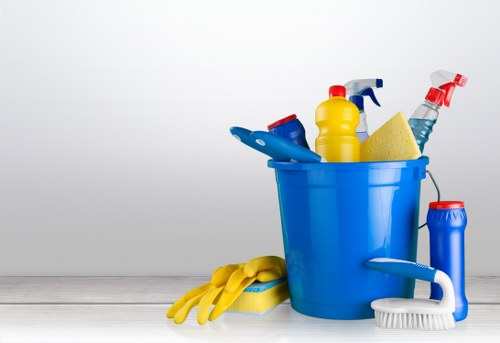
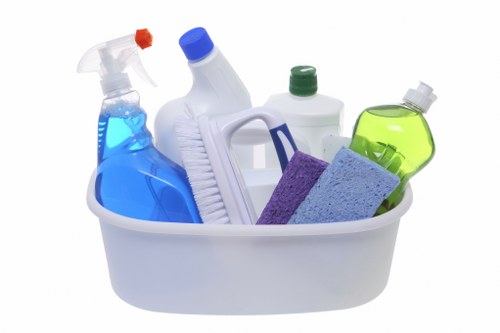
Tip: Keep a small stain removal kit at home with cloths, mild detergent, baking soda, and a gentle spot cleaner. Being prepared makes emergency cleanup much easier.
Creating a Smarter Stain Removal Routine
A good stain removal routine helps you respond faster and more effectively when spills happen. You do not need a complicated setup. A few habits can make a noticeable difference in how well your home handles everyday messes.
First, keep absorbent cloths or paper towels nearby in the kitchen, laundry area, and living room. Second, learn which cleaners are safe for different surfaces in your home. Third, address spills immediately instead of waiting until cleaning day.
Regular inspection also helps. Checking clothing before drying, reviewing carpets after meals, and cleaning upholstery spots as soon as they appear all support better stain removal outcomes. The sooner you act, the easier the job becomes.
Practical Prevention Tips
- Use coasters and placemats to reduce spills.
- Treat clothing stains before washing.
- Blot spills immediately on rugs and sofas.
- Choose fabric protectors where appropriate.
- Read care labels before applying stain removal products.
Need help with persistent stains? For delicate materials, large problem areas, or recurring marks, professional stain removal services may be the safest option. Book your service now if you want expert support and better long-term protection for your fabrics and surfaces.
Conclusion: Better Stain Removal Starts with the Right Approach
Stain removal does not have to be stressful. With the right method, most stains can be reduced significantly or removed entirely. The key is to identify the stain type, use a suitable cleaner, avoid harsh scrubbing, and act quickly before the mark sets in.
From clothing and carpets to upholstery and hard surfaces, every material benefits from a thoughtful stain removal process. Simple habits such as blotting, testing products, and using gentle solutions can protect your belongings and improve your results over time.
If stains are becoming a recurring challenge, take action now. Contact us today to explore practical stain removal solutions that help protect your home, your fabrics, and your peace of mind.