Rug Cleaning: How to Keep Every Rug Fresh, Beautiful, and Long-Lasting
Rug cleaning is one of the most overlooked parts of home care, yet it has a major impact on the look, comfort, and hygiene of any space. Whether you have a delicate Persian piece, a modern area rug, or a durable hallway runner, proper rug cleaning helps preserve color, texture, and value while removing dust, allergens, and everyday grime. A clean rug does more than improve appearance; it also contributes to healthier indoor air and a more inviting home environment.
Many people assume rug cleaning is only necessary when a rug looks visibly dirty, but by that point, soil and debris may already be embedded deep into the fibers. Regular rug cleaning supports better fabric condition, prevents premature wear, and reduces the chance of permanent staining. It is also one of the best ways to maintain the beauty of rugs in high-traffic areas like living rooms, hallways, dining rooms, and entryways.
In this article, you will learn what makes rug cleaning important, how different rug materials respond to cleaning methods, and which habits help rugs stay fresh longer. You will also discover practical ways to protect your investment and decide when professional rug cleaning is the smartest choice.
Why Rug Cleaning Matters for Every Home
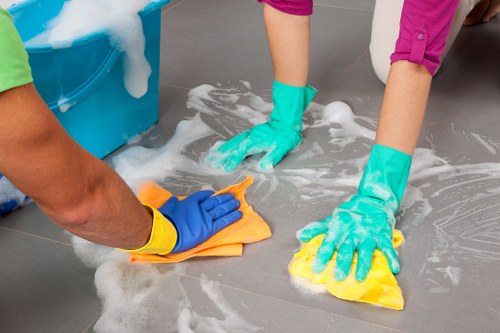
Rug cleaning is not just about appearance. Rugs act like filters, trapping dirt, pollen, pet dander, food particles, and airborne debris that would otherwise circulate through your living space. Over time, this buildup can affect the feel of the rug and the cleanliness of the room. Even a rug that looks fine on the surface may contain layers of dust below the fibers.
Regular rug cleaning helps prevent those particles from grinding into the pile, which can cause the fibers to weaken and fray. This is especially important for rugs placed in active households with children, pets, or frequent guests. Consistent rug cleaning can extend the life of your rug significantly, making it a practical and cost-effective part of home maintenance.
There is also a health benefit. People with allergies, asthma, or sensitivities often notice that routine rug cleaning improves comfort indoors. By reducing dust and allergens, rugs can feel softer, smell fresher, and support a cleaner environment overall.
Understanding Different Rug Types Before Cleaning
Not all rugs respond the same way to rug cleaning. The right method depends on material, construction, dye stability, age, and even the type of stain involved. A cleaning approach that works well for one rug may damage another, which is why understanding rug type is essential before applying any solution or technique.
Common Rug Materials
Wool rugs are popular because they are durable, naturally stain-resistant, and comfortable underfoot. However, wool still needs careful rug cleaning because hot water, harsh detergents, or aggressive scrubbing may damage the fibers. Cotton rugs are often lighter and easier to wash, but they may shrink if not handled correctly. Synthetic rugs such as polypropylene or nylon are generally more forgiving and can tolerate more frequent cleaning.
Silk rugs, antique rugs, and hand-knotted pieces require especially delicate rug cleaning methods. These rugs often contain natural dyes or fragile fibers that need professional attention. Before cleaning any rug, check the care label if available, or test a small hidden area for colorfastness.
Factors That Affect Cleaning Safety
- Fiber content and weave density
- Dye stability and color sensitivity
- Age and overall condition of the rug
- Presence of stains, pet accidents, or odors
- Backing material and edge binding
Everyday Rug Cleaning Habits That Make a Difference
Good rug cleaning starts with simple daily and weekly habits. Vacuuming is the most important routine because it removes loose dirt before it settles deeper into the fibers. For best results, vacuum both sides of the rug when possible, especially for medium- to high-pile styles. Use a suction-only setting or a gentle brush attachment if the rug is delicate.
Rotating the rug every few months also supports better rug cleaning results over time. Foot traffic tends to wear one area more than another, and rotation helps distribute that wear more evenly. This is particularly useful for rugs placed near sofas, coffee tables, beds, or doorways.
Quick action on spills matters too. When a spill happens, blot it immediately with a clean white cloth or paper towel. Avoid rubbing, because friction can push the stain deeper into the fibers. The faster you respond, the easier rug cleaning becomes later and the less likely the stain is to set permanently.
Useful Daily and Weekly Practices
- Vacuum regularly in both directions if the rug allows it.
- Shake out smaller rugs outdoors to remove dry soil.
- Use rug pads to reduce slipping and fiber abrasion.
- Keep shoes off rugs in high-use areas when possible.
- Address spills immediately with blotting, not scrubbing.
DIY Rug Cleaning Methods You Can Try at Home
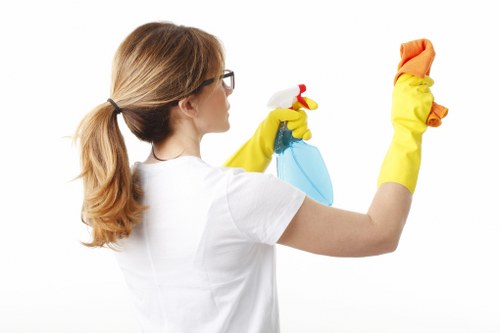
Many homeowners prefer to handle basic rug cleaning themselves, especially for routine maintenance or minor spots. The safest approach is to start gently and use only as much moisture or product as needed. For most rugs, a mild solution of water and a small amount of gentle soap is enough for surface cleaning.
One common DIY method involves vacuuming thoroughly, then spot treating stains with a diluted cleaning solution applied to a cloth rather than directly onto the rug. This approach gives you more control and lowers the risk of overwetting. For deodorizing, a light sprinkling of baking soda can help absorb odors before vacuuming, though it should not be used excessively on delicate rugs.
Still, DIY rug cleaning has limits. Large stains, persistent odors, pet accidents, and delicate fibers often require more than a surface treatment. If the rug is antique, handmade, or expensive, caution is especially important. When in doubt, test first and use the least aggressive method possible.
DIY Rug Cleaning Steps for Minor Issues
- Vacuum the rug carefully and remove loose debris.
- Mix a gentle cleaning solution suitable for the fiber type.
- Blot the stain from the outside inward.
- Rinse lightly with clean water to remove residue.
- Dry the area thoroughly using air circulation and towels.
Proper drying is one of the most important parts of rug cleaning. Moisture left behind can lead to odors, mildew, or fiber damage. Fans, open windows, and dry towels can help speed up the process, but avoid using intense heat on sensitive materials.
When Professional Rug Cleaning Is the Better Choice
While at-home maintenance is useful, some rugs need specialized care. Professional rug cleaning is often the best option when a rug has stubborn stains, heavy soil buildup, pet odor, or delicate construction. Professionals can assess the rug’s material, dyes, and condition before choosing the best treatment.
One major advantage of professional rug cleaning is access to specialized equipment and controlled washing methods. Depending on the rug, this may include dust removal, hand washing, submersion cleaning, dry cleaning, or targeted stain treatment. These methods are designed to clean deeply while protecting fragile fibers and preserving the rug’s original character.
Professional rug cleaning is also valuable for allergy management and deep sanitation. A rug may appear clean on the surface but still hold embedded contaminants. If you want your rugs to look their best and last longer, professional service can be a smart investment.
Signs You Should Hire a Professional
- The rug has persistent staining or discoloration
- There is a strong odor from pets, smoke, or spills
- The rug is handmade, antique, silk, or wool-rich
- Cleaning attempts have failed or caused uneven results
- You need deep cleaning without risking damage
Rug Cleaning and Stain Removal: What Works Best
Stain removal is one of the main reasons people look into rug cleaning. The key is identifying the stain type before choosing a method. Food stains, beverage spills, pet accidents, grease, mud, and dye transfer each behave differently. A strategy that works for one kind of spot may make another worse.
For example, liquid spills should be blotted immediately, while mud should be allowed to dry first so it can be vacuumed away before treatment. Greasy stains may need a small amount of absorbent material or a fiber-safe cleaner. Pet stains often require both odor treatment and deeper rug cleaning to address bacteria and lingering smells. Successful stain removal depends on speed, patience, and the right cleaning approach.
It is also important not to oversaturate the rug. Too much water can spread the stain, weaken backing materials, or cause browning in natural fibers. For this reason, many stain removal routines rely on controlled application, blotting, and repeated light treatment rather than one heavy pass.
Stain Removal Tips
- Identify the stain type before cleaning.
- Blot instead of rubbing to avoid fiber damage.
- Use minimal moisture on delicate materials.
- Rinse gently to remove cleaning residue.
- Dry thoroughly to prevent odor and mildew.
How Often Should Rugs Be Cleaned?
The ideal rug cleaning schedule depends on usage, household size, and environmental conditions. In a busy home with pets or children, rugs may need vacuuming several times a week and deeper cleaning every few months. In a lower-traffic area, a less frequent routine may be enough. Still, even rugs that appear clean should receive periodic maintenance to remove hidden buildup.
Entryway rugs usually need the most attention because they catch outdoor dirt. Living room rugs also take on frequent wear, especially when they anchor seating areas. Bedroom rugs may need less frequent deep cleaning, but they still benefit from regular vacuuming and seasonal care. Routine rug cleaning prevents the need for more aggressive restoration later.
For many households, professional rug cleaning once every 12 to 18 months is a good general target, though high-use rugs may need more frequent service. Rugs in allergy-sensitive homes can benefit from a more regular schedule as well.
Factors That Influence Cleaning Frequency
- Traffic level and room location
- Presence of pets or children
- Seasonal dust, pollen, or humidity
- Type of rug fiber and construction
- Spill and stain history
Common Rug Cleaning Mistakes to Avoid
Rug cleaning can go wrong when people rush the process or use products that are too harsh. One of the biggest mistakes is using too much water. Overwetting can damage the backing, cause shrinkage, or leave behind unpleasant odors. Another common error is scrubbing stains too aggressively, which may distort the pile and spread the stain.
Using the wrong cleaner is another risk. Strong chemical products can strip color, weaken fibers, or leave a sticky residue that attracts more dirt later. In some cases, even well-intentioned household products may be too abrasive for a fine rug. Careful rug cleaning always begins with the mildest safe option.
Skipping drying time is also a problem. A rug that feels slightly damp may still hold moisture deep inside. If rolled up or placed back on the floor too soon, it can trap humidity and develop odors. Proper airflow is essential after any cleaning process.
Mistakes That Can Damage Rugs
- Using bleach or strong solvents
- Scrubbing instead of blotting
- Overwetting natural-fiber rugs
- Ignoring fiber-specific care instructions
- Failing to dry the rug completely
How Rug Cleaning Supports Indoor Air Quality
Rug cleaning has a direct connection to indoor air quality. Rugs trap dust, pet hair, pollen, and fine particles that would otherwise remain airborne or settle on other surfaces. When rugs become overloaded with debris, everyday movement can release those particles back into the air. That is why regular rug cleaning is especially valuable in homes where air cleanliness matters.
For people with allergies or respiratory sensitivities, a clean rug can make the room feel noticeably fresher. While rugs are not the cause of poor air quality, neglected rugs can contribute to it. Keeping them clean helps reduce the accumulation of pollutants indoors and supports a healthier living environment.
Rug cleaning also helps control odors. Cooking smells, smoke, pet odor, and moisture can all cling to fibers over time. Deep cleaning removes those trapped substances more effectively than surface vacuuming alone. This is one reason many households notice a dramatic improvement in how a room feels after a thorough cleaning.
Benefits for the Home Environment
- Reduced dust and allergen buildup
- Less lingering odor in living spaces
- Improved freshness in busy rooms
- Better appearance and comfort underfoot
- Cleaner surfaces around the rug
Rug Cleaning for Delicate and High-Value Pieces
Handmade, antique, oriental, and silk rugs deserve special attention because they often have unique dyes, knots, and fiber blends. Rug cleaning for these pieces should be approached with caution and care. A mistake on a low-cost synthetic rug may be fixable, but a mistake on a valuable rug can be permanent.
These rugs may require dusting before washing, color testing, controlled moisture, and careful drying. In some cases, a professional hand-wash or specialized dry process is safer than any DIY method. The goal is not just to clean the rug but to preserve its craftsmanship and longevity.
Even when these rugs are used daily, gentle maintenance can go a long way. Vacuuming with the right setting, rotating the rug, and avoiding harsh products all support better long-term results. Protecting delicate rugs starts with treating them as valuable textiles, not just floor coverings.
Best Practices for Delicate Rugs
- Vacuum lightly with appropriate suction settings.
- Test cleaning solutions on a hidden area first.
- Avoid soaking or aggressive scrubbing.
- Keep rugs out of direct sunlight when possible.
- Use professional rug cleaning for deep care.
Seasonal Rug Cleaning Tips
Rug cleaning often becomes more important during seasonal changes. In spring, pollen and outdoor debris can get tracked inside. In winter, salt, slush, and wet soil can stain fibers and create lingering moisture. Summer may bring more foot traffic from visitors, while autumn often introduces leaves, dust, and mud. Adjusting your rug cleaning habits throughout the year helps prevent seasonal wear from building up.
During wetter months, drying becomes especially important. Use fans or improved ventilation after cleaning to prevent moisture from settling into the rug. In dry seasons, static and dust can increase, which means more frequent vacuuming may be needed. Seasonal maintenance keeps rugs looking better for longer and prevents small problems from becoming serious ones.
If your home experiences major weather shifts, consider scheduling professional rug cleaning after the messiest season. This can help reset the rug and prepare it for the months ahead.
Seasonal Maintenance Ideas
- Increase vacuuming during pollen or mud-heavy months
- Place mats at entrances to reduce tracked-in soil
- Dry wet rugs quickly after rain or snow exposure
- Inspect for stains and wear at the start of each season
- Schedule deep cleaning when needed
How to Extend the Life of Your Rugs
Rug cleaning is only one part of rug care, but it is one of the most important. To extend the life of your rugs, combine cleaning with good placement and protection habits. For example, use rug pads to reduce friction and slipping. Keep rugs away from direct, intense sunlight when possible, since UV exposure can fade dyes and weaken fibers.
Furniture placement also matters. Heavy furniture can crush pile in certain areas, so shifting pieces slightly from time to time can help prevent permanent impressions. In addition, trimming loose threads carefully instead of pulling them can preserve the weave structure. A little attention goes a long way in supporting long-term rug beauty.
Most importantly, don’t wait until a rug looks ruined. Regular rug cleaning keeps fibers healthier, helps colors stay brighter, and reduces the chance of costly replacement. Routine care is always easier and more affordable than restoration.
Smart Ways to Protect Rugs
- Use quality rug pads
- Rotate rugs every few months
- Avoid harsh cleaners and bleach
- Blot spills immediately
- Schedule regular maintenance before damage builds up
Choosing the Right Rug Cleaning Approach for Your Space
The best rug cleaning method depends on the rug itself, the room it lives in, and the level of use it receives. A small synthetic mat in a busy kitchen may need a different approach than a hand-knotted wool rug in a formal living room. Thinking about the rug’s purpose helps you choose the right care strategy.
For practical everyday cleaning, vacuuming and prompt spill response are essential. For deeper maintenance, periodic washing or professional service may be needed. If you have pets, children, allergies, or high-traffic spaces, a stronger cleaning routine is usually worth it. The goal is to balance effectiveness with safety so the rug stays attractive and intact.
Ultimately, rug cleaning is an investment in your home. A well-cared-for rug improves the room visually and functionally, while a neglected one can quickly become dull, stained, or damaged. The right cleaning routine preserves both style and comfort.
Book your service now if your rug needs deep care, stubborn stain removal, or expert treatment. If you are ready to protect your flooring investment and refresh your home, contact us today to take the next step toward cleaner, longer-lasting rugs.
Final Thoughts on Rug Cleaning
Rug cleaning is one of the simplest ways to improve the cleanliness, comfort, and appearance of your home. From routine vacuuming to deep professional treatment, every step plays a role in keeping rugs fresh and durable. The right habits can preserve delicate fibers, reduce allergens, and help your rugs look beautiful for years.
Whether you are maintaining a hallway runner, refreshing a family room centerpiece, or caring for a valuable handmade piece, the principles remain the same: clean gently, dry thoroughly, and stay consistent. With the right approach, rug cleaning becomes less of a chore and more of a smart habit that protects your home and enhances everyday living.